
Family Engagement 101
Description coming soon.

Description coming soon.

Autism Spectrum Disorder impacts the developmental skills of children and youth in a variety of ways that can impact their participation and relationships. This training will explore strategies to support social interactions, communication, and sensory processing needs. This training will ask participants to focus on the essential question: What challenges do children/youth with ASD experience?

Effective data use is essential for strengthening quality, guiding decision‑making, and demonstrating impact in out‑of‑school time programs, and this interactive session will equip participants with practical strategies for collecting, interpreting, and applying data to improve outcomes. Featuring insights from OST program leaders and a funder, attendees will engage in hands‑on activities, reflect on current data practices, and leave with concrete next steps to enhance meaningful, data‑informed decision‑making.
This session focuses on effective, relationship-centered strategies for recruiting for OST programs. Participants will learn where and how to connect with parents authentically to spark interest and build trust. We’ll explore how to align messaging about program benefits with what families care about most. Attendees will gain practical tools to strengthen community presence and increase enrollment through connection rather than promotion.
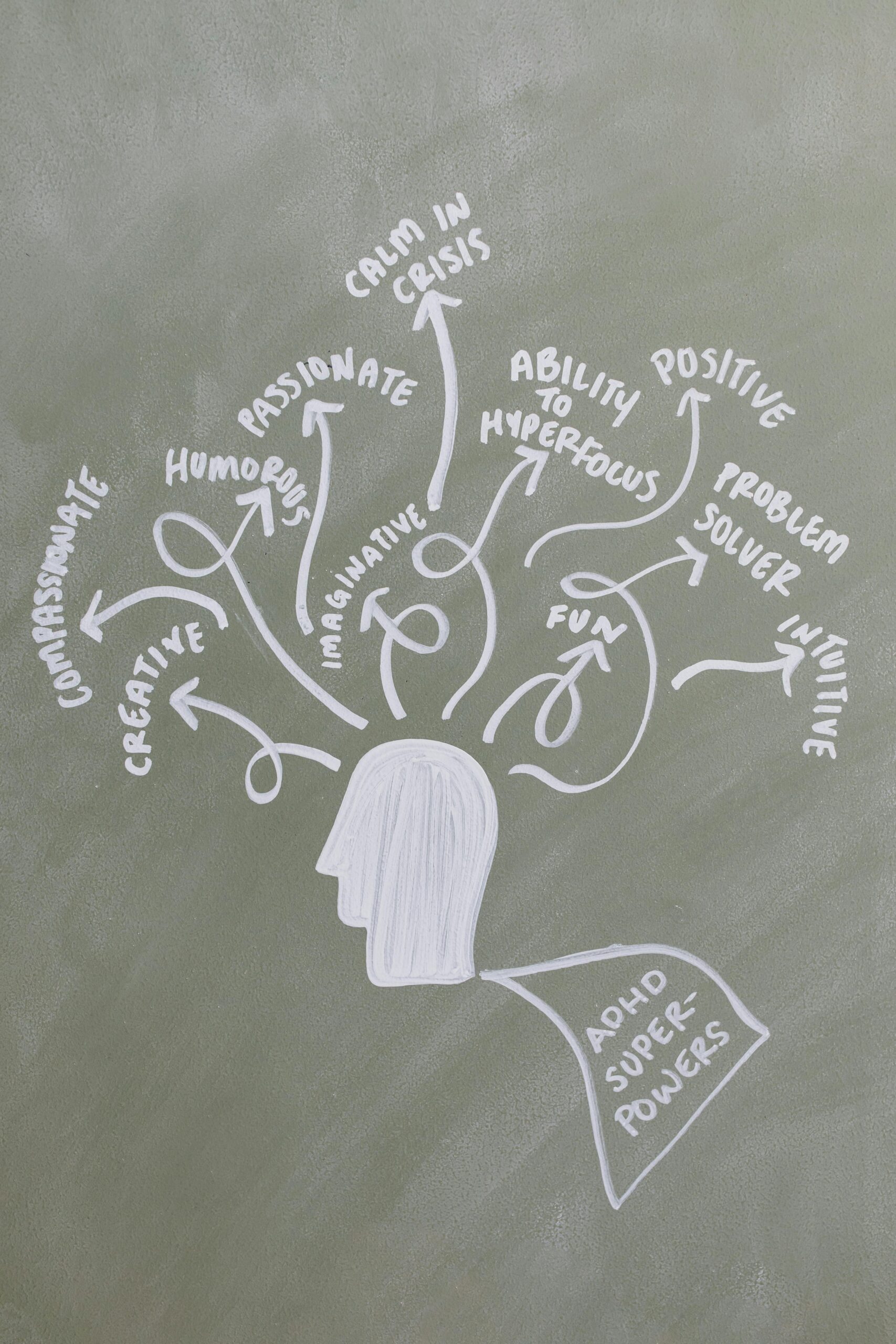
Chances are you serve children with ADHD every day in your existing programs. Explore myths about children with ADHD and discover what to look for as you design accommodations for children with ADHD in your program. Learn to prevent challenging behaviors with positive support strategies to help all children be successful. This training will ask participants to focus on the essential question: How can we create environments and relationships that empower children with ADHD to thrive, while honoring their unique strengths and challenges?
This session equips staff to partner with parents facing behavior challenges at home or in the program. We’ll practice empathy-based conversations, co-created behavior plans, and explore trauma-informed, culturally responsive supports. You will leave prepared to guide parents with compassion, consistency, and collaborative problem-solving, as well as with tools that can be used both at home and in OST settings.

Get ready for summer with practical, engaging strategies that help every young person—including those with special needs—feel seen, supported, and ready to thrive. This interactive session gives staff hands-on experience using developmental relationships, accessible driving questions, and the 5Es to create learning moments that are clear, inviting, and responsive to diverse needs.

Get summer‑ready with practical, trauma‑informed strategies for managing conflict, boosting engagement, and keeping learning on track. This fast‑paced session equips staff with de‑escalation, co‑regulation, and relationship‑building tools to adapt activities in real time when energy runs high or plans go off course. Through realistic scenarios, participants will practice flexible, lesson planning that turns challenges into connection and missteps into meaningful summer learning moments.

Mental Health First Aid gives you the skills to recognize when someone is facing mental health or substance use challenges — and the confidence to be a source of support! In this training, you will learn how to apply the MHFA Action Plan (ALGEE) to help someone in a variety of situations, from a panic attack to an overdose. Additionally, we will dive into self-help strategies and how to encourage people to use them. Then you can use those same skills to build your own resiliency and internal support system. Get certified and join a national network of first aiders with this 3-year certificate!

Discover how behavior reflects what youth may not be able to say in words. Learn to uncover root causes, use empathy, and redirect behavior in ways that preserve relationships. Gain strategies to provide support and respond to undesirable behaviors rather than reacting to them.